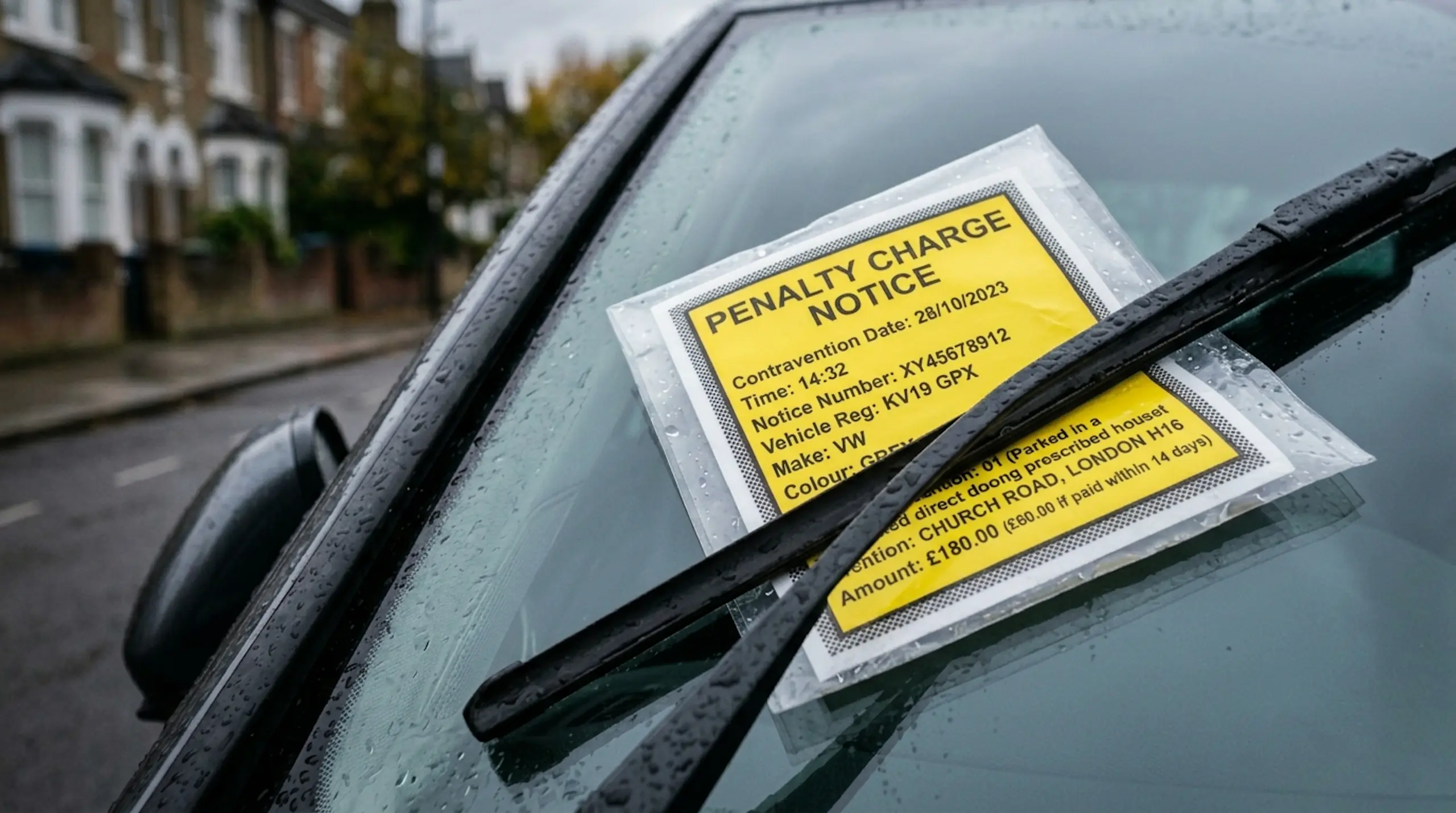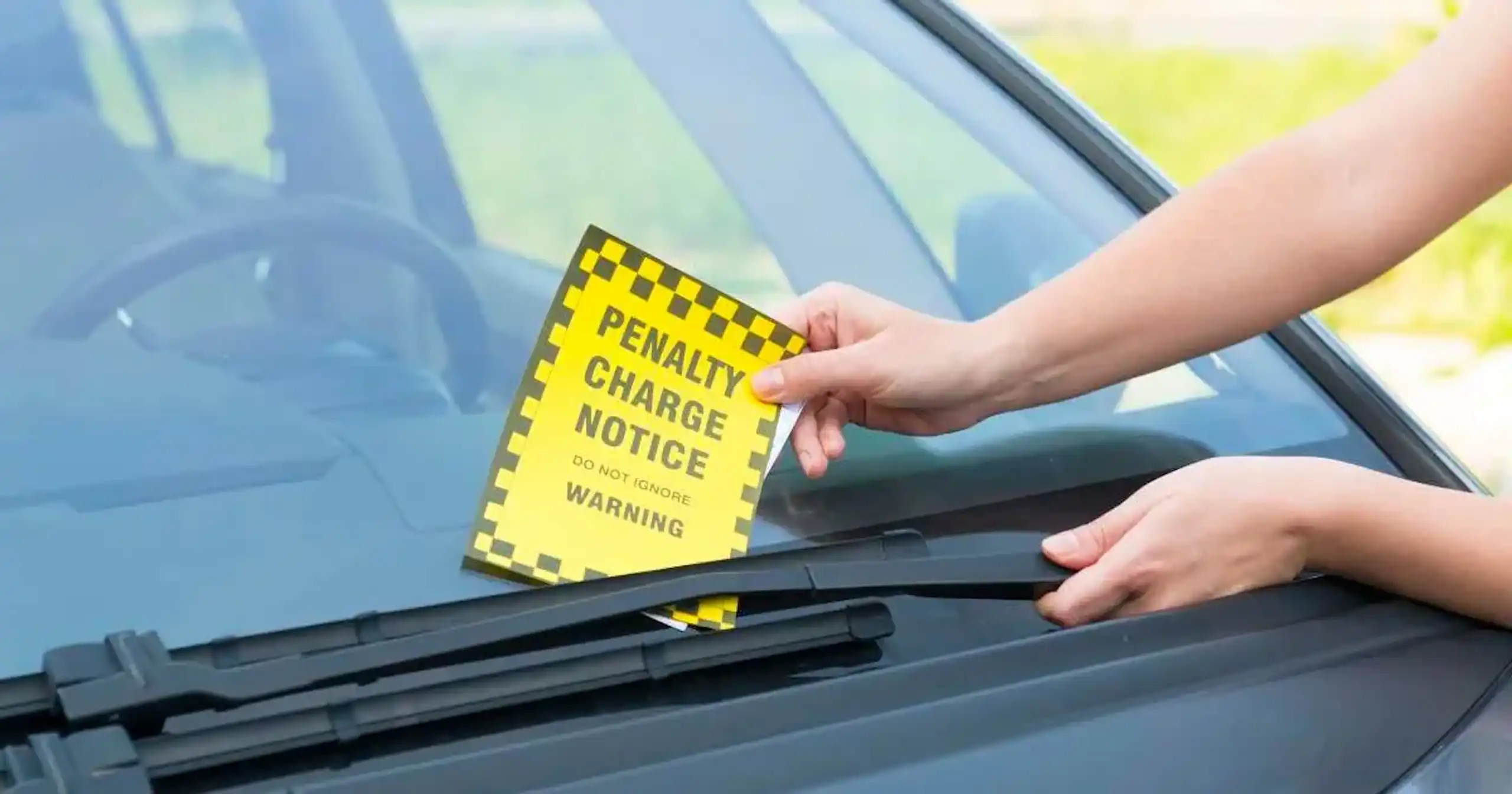
Ignoring a parking ticket can feel easier than dealing with it, especially if you are unsure whether the Penalty Charge Notice (PCN) is fair or you have already missed the discount window. But the truth is simple: ignoring it does not make it go away, it makes it grow. The longer a PCN is left unanswered, the more expensive it gets and the harder it is to challenge.
So what happens if you do not pay a parking ticket? It moves through a set series of enforcement stages: you lose the discount, then face the full charge, then a Charge Certificate that adds 50%, and eventually court registration and enforcement agents.
This guide explains each stage for council PCNs, what happens with ULEZ fines and private parking tickets specifically, whether any of it affects your credit score, and what you can still do if you have already missed a deadline.
If you are not sure how much time you have left, it helps to first understand the key dates in the PCN deadline guide, and if you are unsure exactly what kind of notice you are holding, what is a PCN explains the difference.
TL;DR: what happens if you don't pay
- Ignoring a parking ticket does not make it disappear; it escalates through enforcement stages.
- The 50% discount closes after 14 days, and the full charge applies after 28 days.
- A Charge Certificate then increases the penalty by a further 50%.
- After that, the debt can be registered at court and enforcement agents (bailiffs) instructed.
- A council or TfL PCN does not affect your credit score; only an unpaid private parking charge that becomes a CCJ does.
- Acting at any stage, even late, is always better than continuing to ignore it.
Why Ignoring an Unpaid Parking Ticket is Risky
The biggest risk is that the penalty does not disappear. If you do nothing, the authority can move the case through enforcement stages: losing the discount, facing a higher charge, and eventually debt registration or enforcement agents. The Traffic Penalty Tribunal warns that an unpaid or ignored PCN can increase and may later be registered as a debt.
Ignoring also narrows your options. Early on you can explain what happened, upload evidence, or make an informal challenge. Later the process becomes more formal and the grounds for responding get narrower. For a sense of the sums involved at each stage, see how much is a parking ticket in the UK.
What Happens After the 14-Day Parking Ticket Deadline?
The first 14 days usually matter because this is the discount period. For many council parking PCNs, paying within this window reduces the penalty by 50%.
Missing this deadline does not always mean immediate trouble, but it usually means the discounted amount is gone. You may now need to pay the full penalty, unless the authority accepts a challenge or re-offers the discount after considering your case.
What Happens to an Unpaid PCN After 28 Days?
After 28 days, the PCN can move to the next enforcement stage. If it has not been paid or challenged, the authority can issue a Notice to Owner to the registered keeper, and later a Charge Certificate. This is the point where the issue changes from "pay or challenge" to "you have missed the normal response window." The official government guidance on parking fines and PCNs sets out each stage.
What is a Charge Certificate on a Parking Ticket?
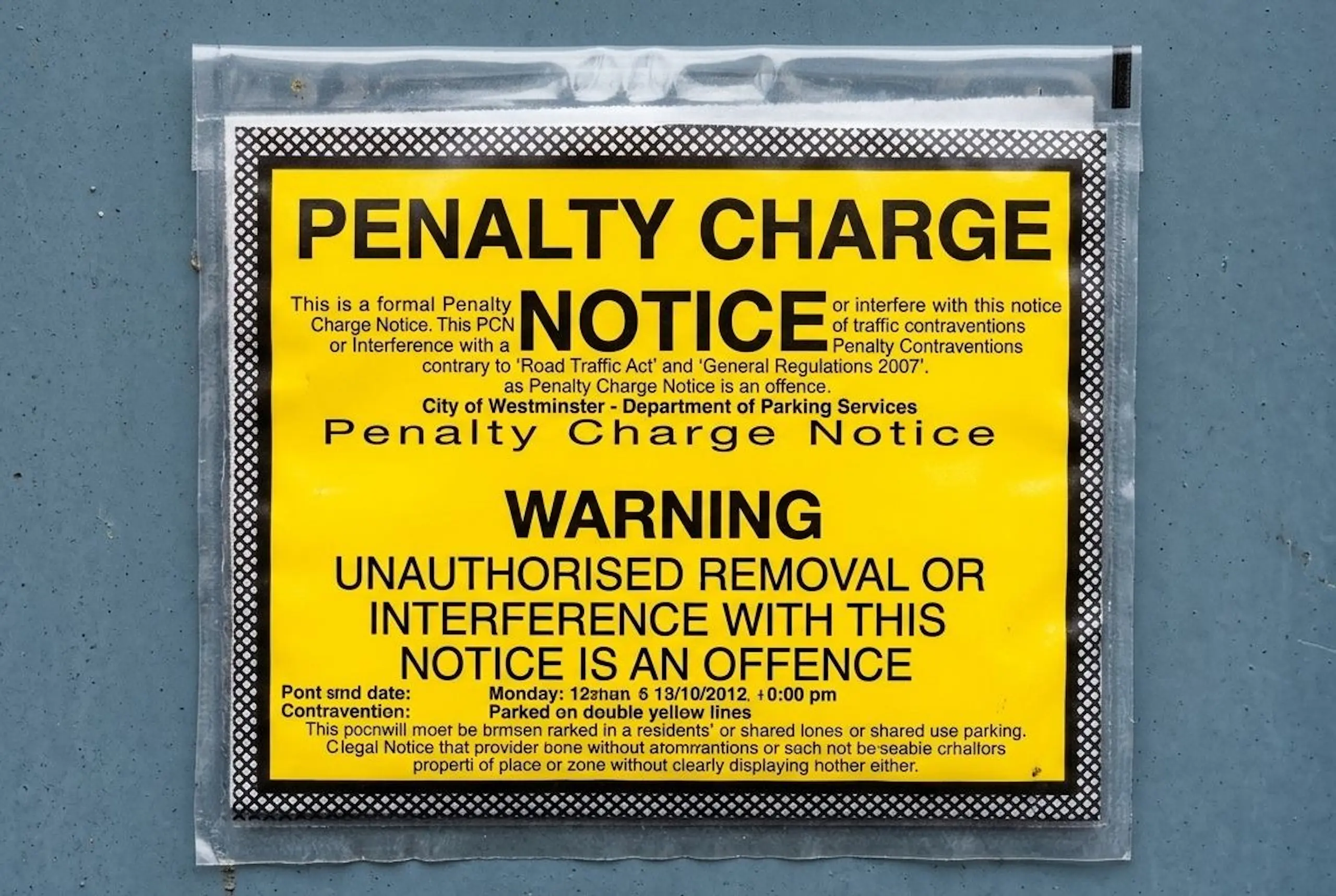
A Charge Certificate is a formal notice saying the penalty has increased, usually by 50% of the full charge. Once it is issued, you are normally given 14 days from the date of service to pay the increased amount. By this stage the normal route to appeal is usually closed.
What Happens When a Charge Certificate Goes Unpaid?
If an unpaid parking ticket reaches the Charge Certificate stage and is still ignored, the issuing authority can apply to the Traffic Enforcement Centre (TEC), a specialist court based at Northampton County Court, for an Order for Recovery. This is the point where the unpaid PCN becomes a formally registered court debt, and a court fee is added.
Once the Order for Recovery is granted, the authority can instruct enforcement agents, commonly called bailiffs, to recover the amount, with their fees added on top, so the total owed becomes significantly higher than the original ticket.
Before enforcement agents attend, you must receive a Notice of Enforcement giving you at least 14 days to pay, a legal requirement under the Taking Control of Goods Regulations 2013. Agents can clamp or remove your vehicle and take control of goods, but they cannot force entry into your home on a first visit, and their fees start at £75 for the compliance stage. Citizens Advice guidance on being chased for a parking ticket covers your rights at this stage.
The Full Parking Ticket Enforcement Timeline
If you are unsure which stage your PCN has reached, here is how a typical council PCN escalates when no action is taken:
- Day 0, PCN issued - the discount period begins.
- Day 14, discount period closes - the full charge now applies.
- After day 28, Notice to Owner issued - sent to the registered keeper if no payment or challenge has been made.
- If ignored, Charge Certificate issued - the penalty increases by 50%.
- If ignored, Order for Recovery - the debt is registered with the Traffic Enforcement Centre, and a court fee is added.
- After the Order for Recovery, Notice of Enforcement - enforcement agents give 14 days' notice before attending.
- After the notice, enforcement agents attend - the vehicle may be clamped or removed, with fees starting from £75.
Still inside the 28-day window? Don't let it escalate. Snap your PCN with SnapMyFine to see exactly what stage you are at and whether to pay or challenge, in about 60 seconds.
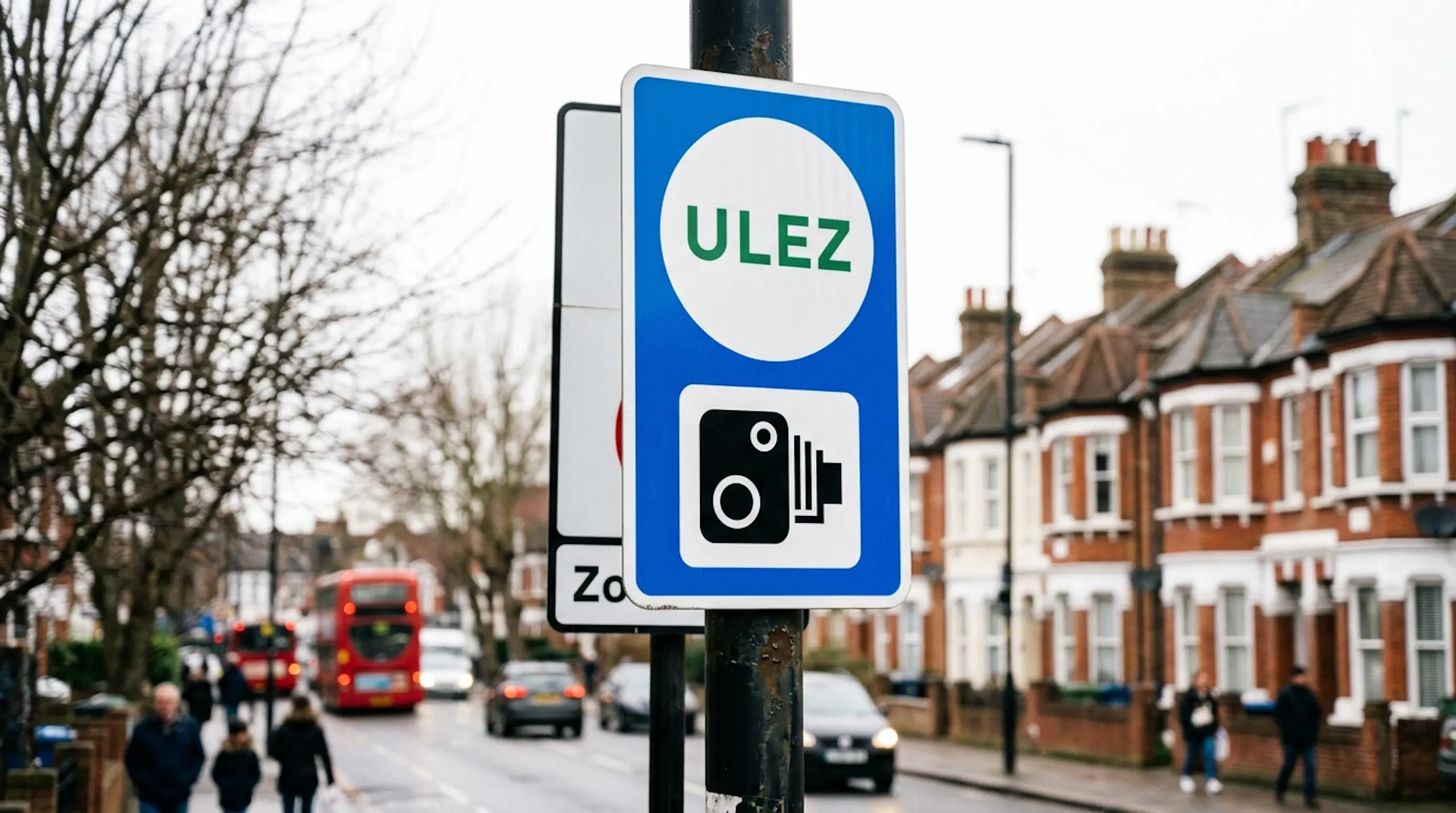
What happens if you don't pay a ULEZ fine?
A ULEZ fine follows almost the same enforcement path as a council PCN, but the amounts are different. A ULEZ Penalty Charge Notice is £180, reduced to £90 if you pay within 14 days, and it rises to £270 if it is unpaid after 28 days, once a Charge Certificate is issued. From there, TfL can register the debt at the Traffic Enforcement Centre and instruct enforcement agents, exactly as with a council ticket.
The daily ULEZ charge itself is only £12.50, so an ignored ULEZ fine becomes wildly out of proportion to the original charge. The good news is the same as below: a ULEZ fine is not a County Court Judgment, so it will not affect your credit score. For the full stage-by-stage detail and how to appeal, see what happens if you don't pay a ULEZ fine.
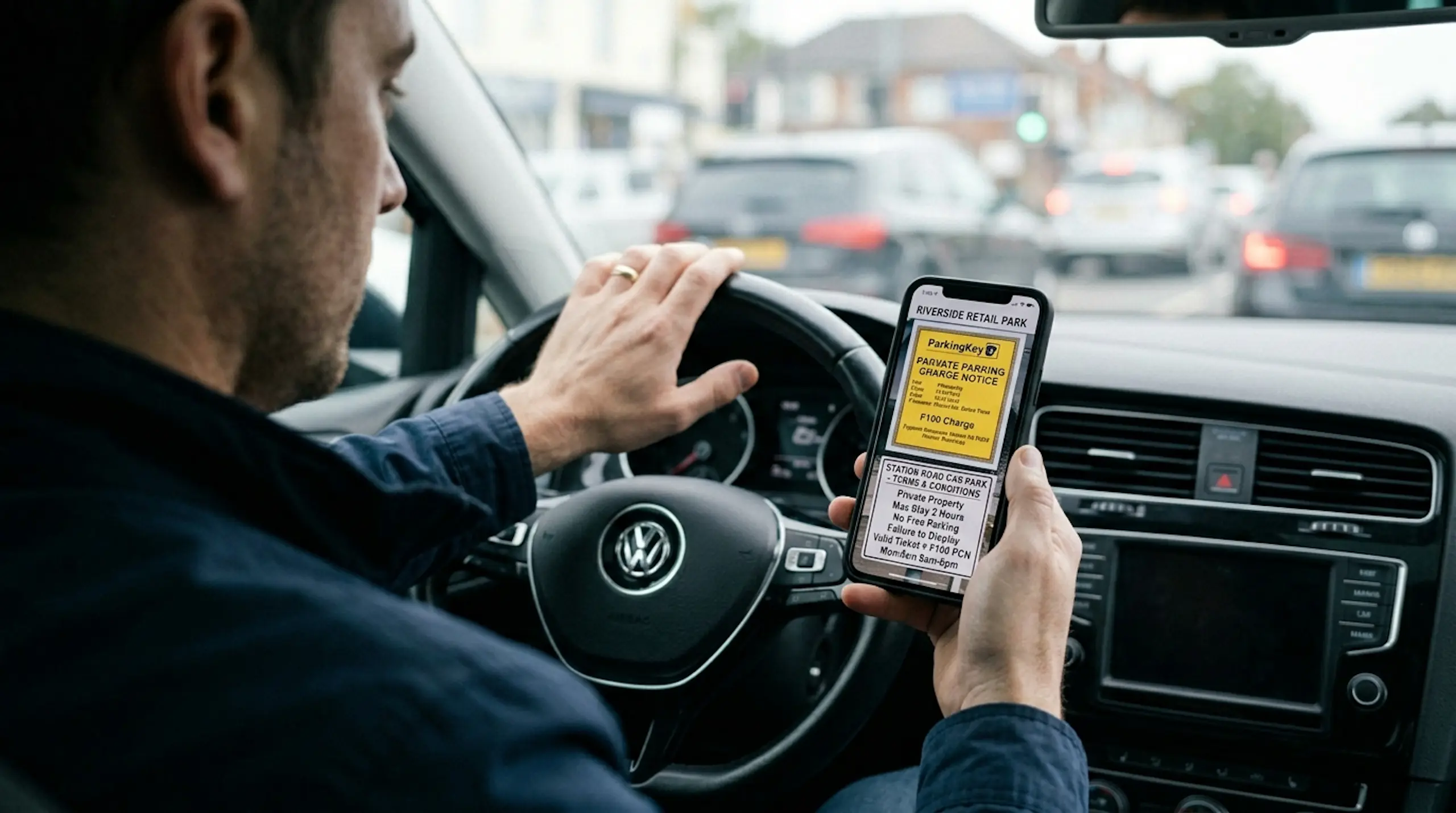
What happens if you don't pay a private parking ticket?
A private parking ticket works very differently, because it is not a council penalty at all. A private "Parking Charge Notice" is an invoice from a private company for an alleged breach of contract, so the company cannot issue a Charge Certificate, register the debt at the Traffic Enforcement Centre, or send bailiffs without going to court first. Instead, the typical path is:
- Reminder letters, then debt recovery letters that often add costs.
- A claim in the county court if the operator decides to pursue it.
- A County Court Judgment (CCJ) if you lose or ignore that claim.
This is the key difference: an unpaid private charge can become a CCJ, which does affect your credit file for six years, whereas a council or TfL PCN does not. A private ticket can still be enforceable, though, so ignoring one is risky. To understand when a private charge is and is not enforceable, see do you have to pay private parking fines.
Do unpaid parking tickets affect your credit score?
This is one of the most common worries, and the answer depends on who issued the ticket:
- Council and TfL PCNs (including ULEZ and congestion charge) - no. These are enforced through the Traffic Enforcement Centre, not registered as County Court Judgments, so they do not appear on your credit file, no matter how far they escalate. The risk is rising cost and enforcement agents, not your credit rating.
- Private parking charges - potentially yes. If a private operator takes you to the county court and a CCJ is entered, that judgment stays on your credit file for six years and can affect future borrowing.
So the credit-score fear mostly applies to ignored private tickets, not council ones. Either way, dealing with the ticket early avoids the problem entirely.
Can You Still Appeal an Ignored Parking Ticket?
Possibly, depending on the stage. If the case is still within the normal appeal period, read our guides on how to appeal a parking ticket and when you can successfully challenge a PCN. If a Charge Certificate has already been issued, the normal appeal route is usually closed.
If the case later reaches the Order for Recovery stage, you may have limited legal grounds to file a witness statement or statutory declaration, for example if you did not receive an earlier notice, or you made representations but never received a response. You usually have 21 days to make that application after receiving the relevant form.First, do not panic. Missing the discount is frustrating, but it does not always mean the worst has happened.
Check the notice carefully: the issue date, service date, amount due, deadline, vehicle details, location, and any photos. Then decide whether to pay, challenge, or seek advice based on the current stage. If you have a genuine reason for delay, gather clear evidence such as photos, payment records, medical evidence, delivery proof, or screenshots. If you decide to pay, how to pay a parking ticket walks through every route. If you are weighing it up, what to check before you pay or appeal covers when a challenge is likely to succeed.
Avoid guessing. The best next step depends on whether you are at the discount stage, full-charge stage, Charge Certificate stage, or debt recovery stage.
"This article is is researched using GOV.UK, London Tribunals, and TfL official guidance"
What ignoring a parking ticket really costs you
An unpaid parking ticket in the UK does not go away on its own. From the moment a PCN is issued, a clear enforcement timeline begins, and each stage ignored makes it more expensive and harder to resolve. The discount period, the 28-day window, the Charge Certificate, and the Order for Recovery are all points where acting beats waiting.
If you are unsure where your PCN stands, the safest approach is to check the paperwork, identify the stage, and take the most appropriate action. Whether that is paying, challenging, or seeking advice, doing something is always better than doing nothing. For fleet operators managing PCNs across a fleet, SnapMyFine's business tools are built specifically for that.
Stay ahead of your PCN with SnapMyFine
The single most common reason a ticket escalates is a missed deadline. SnapMyFine is built to stop that. Download SnapMyFine free on iOS and Android, snap a photo of your PCN, and the app reads the issuer, reference, amount and deadline, explains in plain English what it means and whether to pay or challenge, and reminds you before the 14-day discount window closes. Where supported, you can pay securely through Open Banking, with no card needed and a digital receipt. Snap your PCN and take control in seconds.
Conclusion
What Ignoring a Parking Ticket Really Costs You
An unpaid parking ticket in the UK does not go away on its own. From the moment a PCN is issued, a clear enforcement timeline begins; and each stage ignored makes the situation more expensive and harder to resolve. The discount period, the 28-day window, the Charge Certificate, and ultimately the Order for Recovery are all points where acting is better than waiting.
If you are unsure where your PCN currently stands, the safest approach is to check the paperwork, identify the stage, and take the most appropriate action available to you. Whether that is paying, challenging, or seeking advice; doing something is always better than doing nothing.
For fleet operators managing PCNs across a fleet, SnapMyFine’s business tools are built specifically for that.
Manage Your PCN with SnapMyFine
SnapMyFine is now live across London councils. Snap a photo of your PCN and pay instantly through Open Banking, no forms, no council websites. Check your deadline and pay in seconds.
FAQs
Can you just ignore a parking ticket?
Technically yes, but the consequences escalate at every stage. What starts as a discounted penalty can become a court-registered debt with enforcement agent fees on top, and the original amount is almost always the cheapest point to resolve it.
What is the worst that can happen if you don't pay a parking ticket?
For a council or TfL PCN, the worst outcome is enforcement agent action, including your vehicle being clamped or removed and fees added. For a private parking ticket, the worst outcome is a County Court Judgment, which can affect your credit for six years.
Do unpaid parking tickets affect your credit score?
Council and TfL PCNs do not, because they are enforced through the Traffic Enforcement Centre rather than as County Court Judgments. Only an unpaid private parking charge that becomes a CCJ will affect your credit file.
Can bailiffs come to your home for an unpaid parking ticket?
Yes, but only after the earlier stages have been ignored. Enforcement agents must follow a strict process and give a Notice of Enforcement at least 14 days before attending, and they cannot force entry into your home on a first visit.
Can bailiffs take my car for an unpaid parking fine?
Yes. Once enforcement agents have been instructed following an Order for Recovery, they can clamp or remove your vehicle to recover the debt, even if it is parked outside your home on a public road.
What happens if you ignore a private parking ticket?
The company can send reminders and debt recovery letters and, ultimately, make a county court claim. It cannot send bailiffs or add points, but if it wins a CCJ that will affect your credit. A valid private charge can be enforceable, so it should not be ignored.
Can you sell a car with unpaid parking tickets?
You can legally sell the car, but the PCN debt stays with the person who was the registered keeper at the time of the contravention, so selling the vehicle does not cancel the fine. Tell the DVLA promptly when you sell, so future notices go to the new keeper.
Is a PCN legally enforceable?
Yes. A Penalty Charge Notice issued by a council under the Traffic Management Act 2004 is a legally enforceable civil debt, with court registration and enforcement powers, unlike a private parking ticket, which is a contractual invoice.