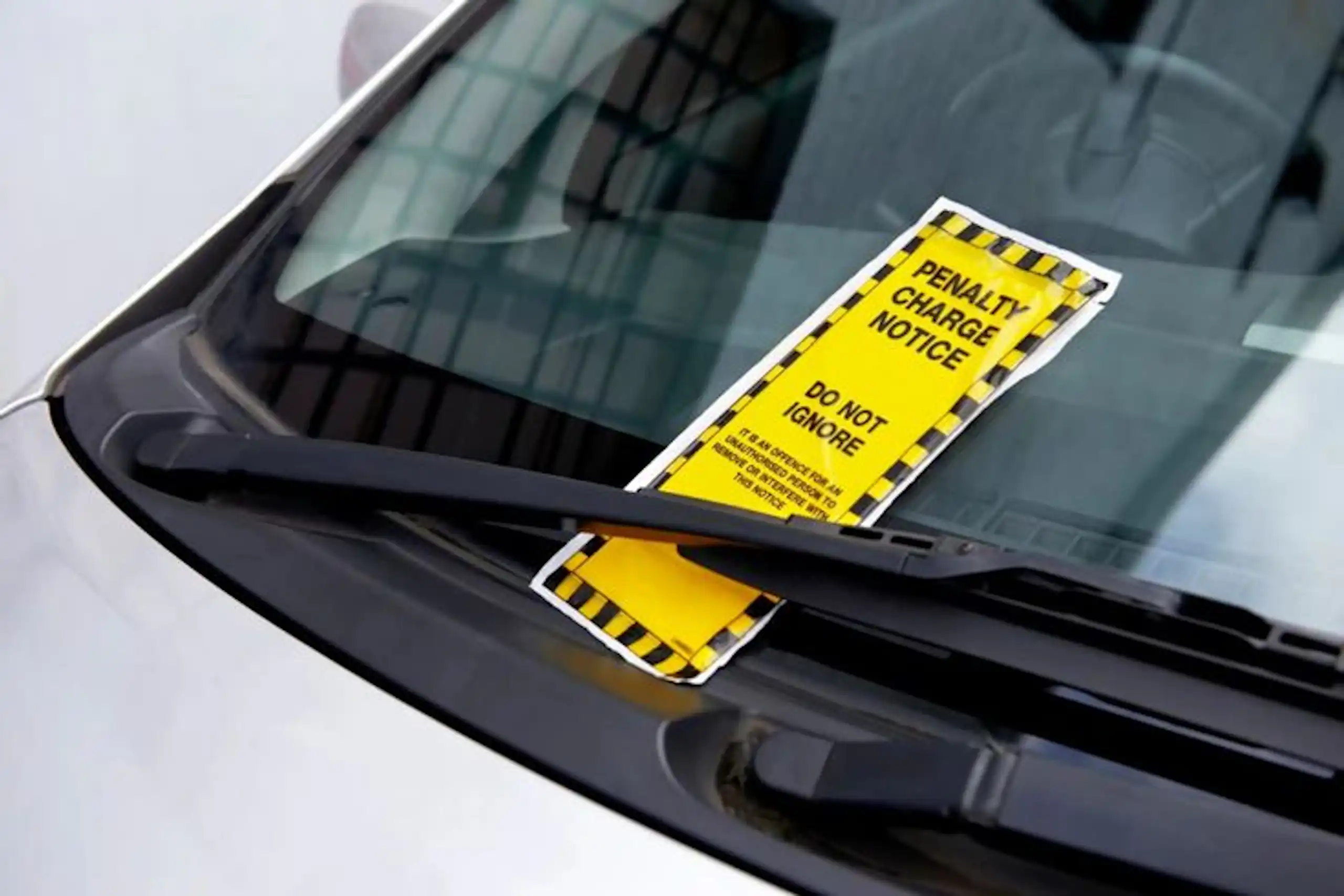
Can You Appeal a Penalty Charge Notice?
Yes. You can appeal a penalty charge notice if you believe it was issued wrongly, unfairly, or without enough evidence.
A Penalty Charge Notice, often called a PCN, is usually issued by a council or transport authority for things like parking contraventions, bus lane use, yellow box junctions, red routes, or other traffic restrictions.
The strongest way to appeal a parking ticket are usually based on clear evidence. For example, you may be able to challenge a PCN successfully if the signs were unclear, the road markings were confusing, you had a valid permit, the council made an error, or there were exceptional circumstances.
The most important thing is this: do not ignore the PCN. Check the deadline, gather evidence, and respond in writing. GOV.UK explains that drivers can challenge a penalty charge notice, but the process depends on the type of notice and issuing authority.
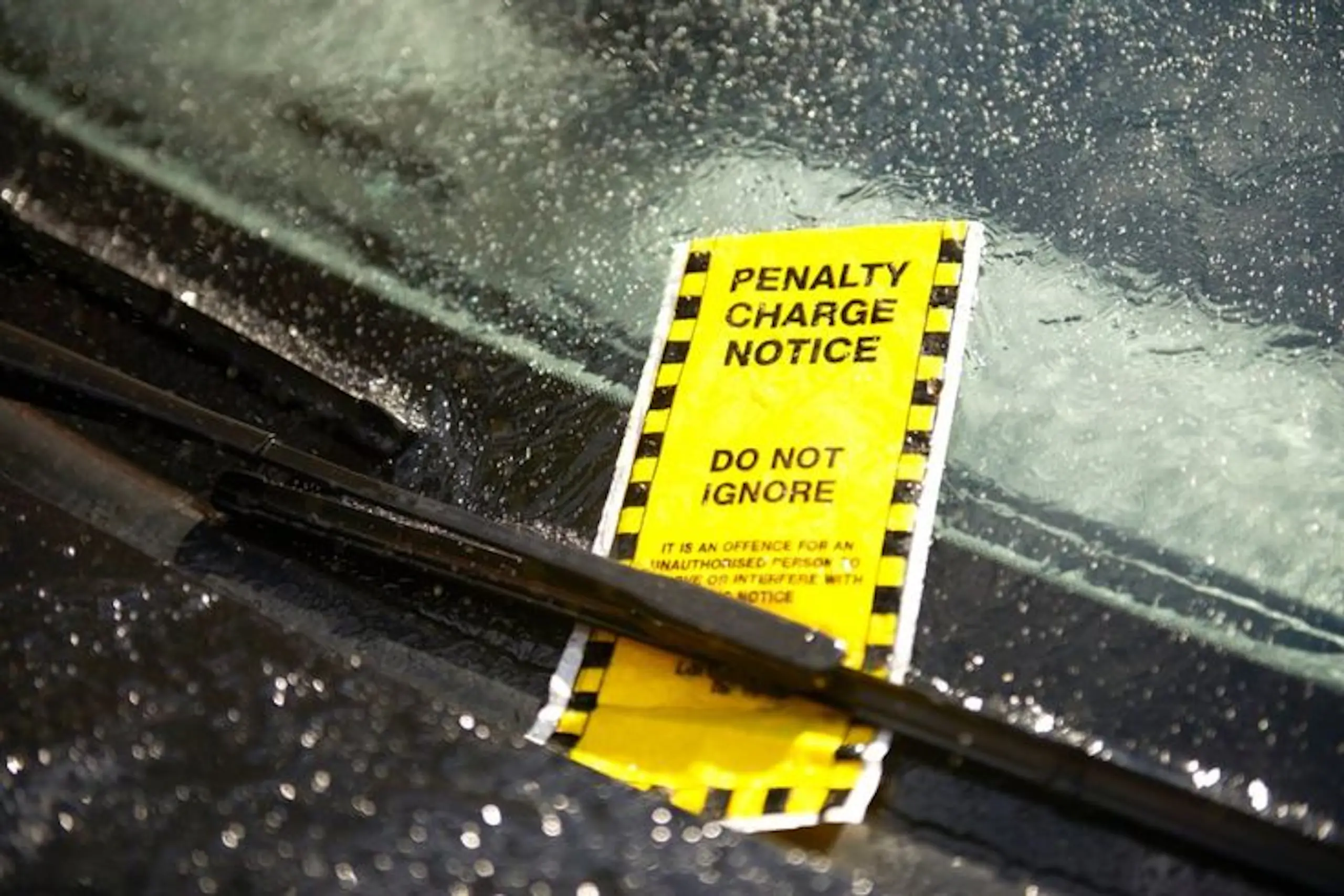
What Is a Penalty Charge Notice?
A penalty charge notice is a civil enforcement notice issued by a local authority or transport body. It is not the same as a criminal fine, but it can still become more serious if ignored.
You may receive a penalty charge notice for:
- Parking on restricted roads
- Overstaying in a council car park
- Parking without displaying a permit
- Stopping on a red route
- Driving in a bus lane
- Entering a yellow box junction incorrectly
- Failing to follow certain traffic restrictions
A penalty charge notice is different from a parking charge notice, which is usually issued by a private parking company on private land. This article focuses on council and authority-issued PCNs, not private parking tickets.
When Can You Challenge a Penalty Charge Notice Successfully?
You can challenge a penalty charge notice successfully when you can show that the notice was issued incorrectly, the restriction was unclear, the alleged contravention did not happen, or the authority failed to follow the correct process.
Here are the most common appeal grounds:
1. The Signs or Road Markings Were Unclear
Councils must make parking and traffic restrictions reasonably clear. If the signs were hidden, damaged, missing, badly positioned, or confusing, you may have a valid reason to appeal.
This can apply where:
- A sign was blocked by a tree, van, or building work
- Road markings were faded or incomplete
- Parking bay lines were unclear
- A restriction changed without clear warning
- Signs gave conflicting information
- The sign was too far from where you parked
Take photos as soon as possible. Show the location from a driver’s point of view, not just a close-up of the sign.
2. You Had a Valid Permit, Ticket, or Permission
If you had permission to park or use the area, you should include proof in your appeal.
Useful evidence may include:
- Resident parking permit
- Visitor permit
- Blue Badge evidence
- Pay-and-display ticket
- Council parking app receipt
- Email confirmation
- Visitor or loading permission
- Evidence from a business, hotel, hospital, or housing provider
Sometimes a PCN is issued because a permit slipped, a digital session was not matched correctly, or a system failed to recognize a valid payment. In these cases, your appeal should clearly show that you had the right to park.
This is where Snapmyfine can help. If you have evidence but are unsure how to explain it, Snapmyfine helps you turn the facts into a clear, structured penalty charge notice appeal.
3. The Contravention Did Not Happen
You may be able to challenge the PCN if the council’s version of events is wrong.
For example:
- Your vehicle was not parked where the PCN says it was
- You were not in the bus lane at the alleged time
- You did not stop in a restricted area
- The vehicle registration was recorded incorrectly
- The camera footage does not prove the contravention
- You were legally loading or unloading
- You were allowed to stop for a specific reason
Do not rely on a simple denial. Ask yourself: what evidence proves my version?
This might be dash-cam footage, delivery records, GPS data, receipts, witness statements, photos, or council images that support your case.
4. You Were Loading or Unloading
Some parking restrictions allow loading or unloading, even where ordinary parking is not permitted. This depends on the restriction, location, and signs.
A loading appeal is stronger when you can show:
- What was being loaded or unloaded
- Why the vehicle needed to be there
- How long the activity took
- That you were not simply parked for convenience
- Delivery notes, invoices, or job records
Keep the explanation practical. For example, “I was unloading heavy equipment into the premises at 10:15am and returned directly to the vehicle once complete.”
5. There Was a Medical Emergency or Exceptional Circumstance
Councils may consider mitigating circumstances, although they do not always have to cancel a PCN.
You may have a stronger case if the situation was urgent, unexpected, and supported by evidence.
Examples include:
- Sudden illness
- Medical emergency
- Vehicle breakdown
- Accident or road closure
- Caring responsibility
- Emergency assistance to another person
Include proof where possible. This could be a breakdown report, medical appointment letter, hospital note, recovery receipt, or witness statement.
Keep the tone calm. Explain what happened, why it was unavoidable, and why it would be fair to cancel the penalty.
6. The Council Made a Procedural Error
A penalty charge notice must follow the correct legal and administrative process. If the authority makes a serious error, this may support your appeal.
Possible issues include:
- Wrong vehicle details
- Wrong location
- Incorrect date or time
- Missing required information
- Failure to consider your representation properly
- Sending documents late
- Demanding the wrong amount
- Not explaining your appeal rights clearly
For London cases, London Tribunals explains that you usually need to challenge the penalty first and receive a Notice of Rejection before making a formal appeal to the tribunal.
For many council PCNs outside London, the Traffic Penalty Tribunal handles appeals after the council has rejected formal representations.
7. The PCN Was Issued by Camera but the Evidence Is Weak
Camera-issued PCNs can apply to bus lanes, box junctions, moving traffic restrictions, red routes, and some parking situations.
Before paying, review the evidence carefully.
Check:
- Does the footage clearly show your vehicle?
- Is the number plate readable?
- Does the footage show the full event?
- Are the signs visible before the restriction?
- Was there a safe or legal alternative route?
- Did traffic conditions force your position?
If the video or images do not clearly prove the contravention, explain this in your appeal.

How to Appeal a Penalty Charge Notice
The process depends on where and how the PCN was issued, but it usually follows these steps.
Step 1: Read the PCN Carefully
Check:
- PCN number
- Vehicle registration
- Date and time
- Location
- Contravention code
- Payment deadline
- Appeal deadline
- How to view evidence
Step 2: Gather Evidence
Take photos, save receipts, download app records, and collect anything that supports your case.
Step 3: Submit Your Challenge in Writing
Most councils allow online appeals. Some also accept postal representations. Keep a copy of everything you submit.
Step 4: Wait for the Council’s Response
If the council accepts your challenge, the PCN is cancelled.
If it rejects your challenge, it should explain your next steps. You may be able to make formal representations or appeal to an independent tribunal depending on the stage of the process.
The Traffic Penalty Tribunal warns that ignoring a PCN can lead to the penalty increasing and eventually being registered as a debt.
Should You Pay or Appeal?
If the PCN is correct and you have no evidence, paying within the discounted period may be the simplest option.
But if you believe the penalty charge notice is wrong, unfair, or unsupported, it may be worth appealing.
Before deciding, ask:
- Do I have evidence?
- Were the signs clear?
- Did the contravention actually happen?
- Did I have a permit, ticket, or valid reason?
- Did the council make an error?
- Am I still within the appeal deadline?
If you are unsure, Snapmyfine can help you review your situation and prepare a practical PCN appeal. It is built to make the process easier, especially when you feel overwhelmed by legal wording or council letters.
Common Mistakes to Avoid
Avoid weakening your penalty charge notice appeal by making these mistakes:
- Ignoring the PCN
- Missing the deadline
- Paying first, then trying to appeal later
- Writing an angry or emotional appeal
- Sending no evidence
- Giving too much irrelevant detail
- Confusing a penalty charge notice with a private parking charge notice
- Failing to check the council’s photos or video
A good appeal is not about writing a long letter. It is about making the right points clearly.
Final Thought
You can challenge a penalty charge notice successfully when there is a clear reason the PCN should not stand.
That may be because the signs were unclear, the road markings were poor, you had a valid permit or payment, the alleged contravention did not happen, the evidence is weak, or the council made a procedural mistake.
The best appeals are calm, factual, and supported by evidence.
Need help preparing your penalty charge notice appeal? Snapmyfine is your go-to support for building a clear, evidence-led PCN challenge without the stress.