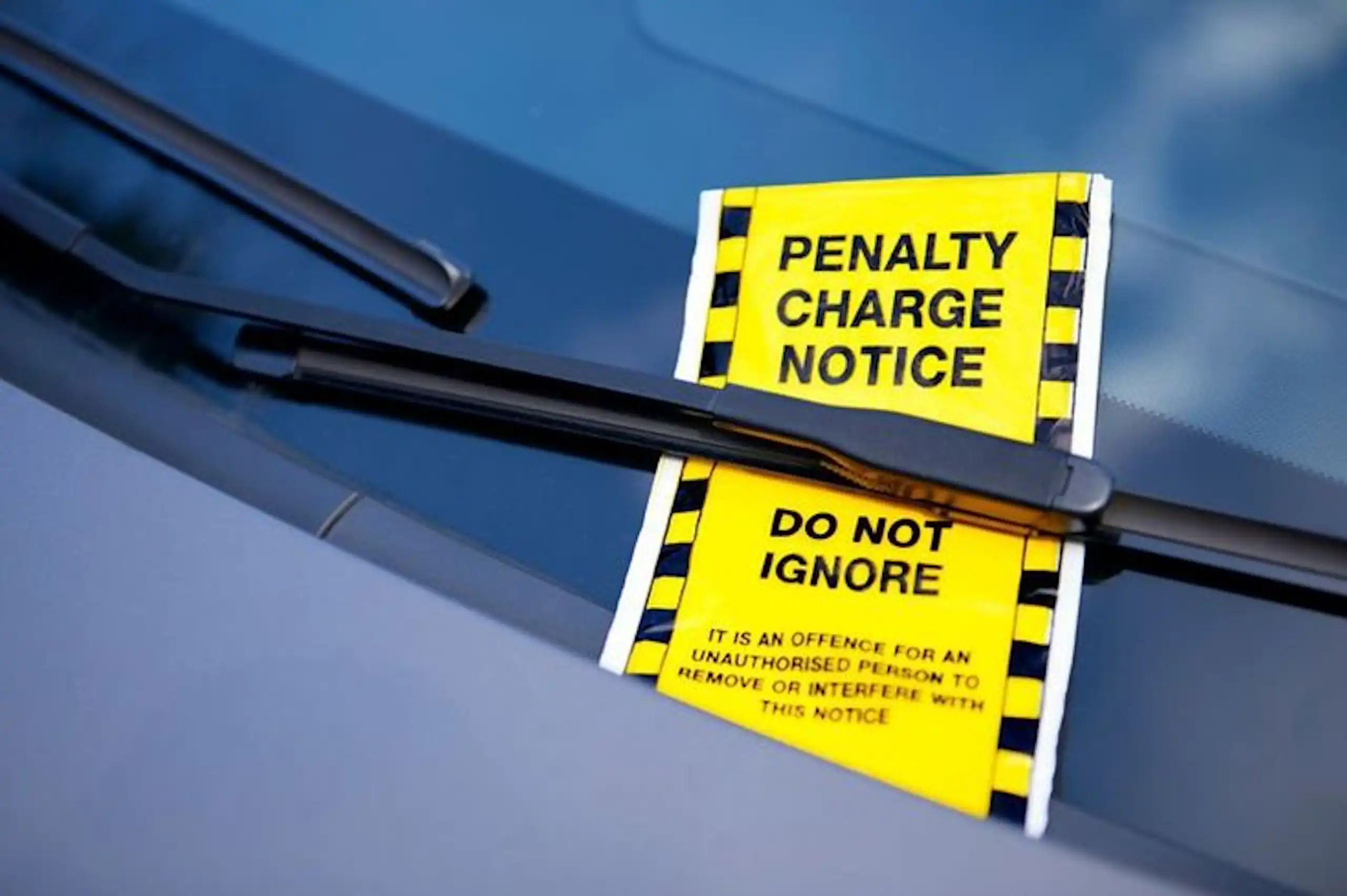
Getting a parking ticket in the UK can feel stressful, especially if it happens when you are already in a rush, on your way to work, or trying to deal with family logistics.
The good news is that your first step is simple: do not panic, and do not rush to pay straight away.
Start by checking what kind of parking notice you have, who issued it, and what the deadline says. In the UK, what you do next depends on whether the ticket came from a council, the police, or a private parking company. GOV.UK says the process differs depending on the type of ticket and who issued it.
First things first: what should you do right away?
If you have just received a parking ticket, do these five things first:
- Read the notice carefully
- Check who issued it
- Look at the deadline to pay or challenge it
- Keep the ticket and take photos
- Do not ignore it
That may sound basic, but it matters. GOV.UK says you usually have 28 days to pay many parking tickets, and in some cases the amount is reduced if you pay within 14 days. It also warns that missing deadlines can lead to higher charges.
1) Check what type of parking ticket you have
This is the most important first step.
Not every parking ticket UK drivers receive follows the same rules. In general, you may have one of these:
- a Penalty Charge Notice (PCN) from a local council
- a Fixed Penalty Notice (FPN) from the police or another authority
- a Parking Charge Notice from a private company, such as one managing a supermarket or retail park car park
This explains that how you pay or challenge a ticket depends on the type and issuer, noting that private parking tickets are different from council-issued penalties.
A quick example
If you parked on a public street and found a ticket on your windscreen from the council, that is likely a council PCN.
If you parked in a private car park and later got a notice in the post after cameras recorded your entry and exit, that is more likely a private parking charge.
That difference matters because the appeal route is not the same.
2) Read the parking notice carefully
Before you decide whether to pay or challenge anything, go through the notice line by line.
Check:
- your registration number
- the date and time
- the location
- the reason for the ticket
- the payment deadline
- the challenge or appeal deadline
- any photos or evidence referred to
This is one of the best ways to check parking tickets properly and spot problems early.
For example, if the location is wrong, the time looks inaccurate, or the wording is unclear, that may become important later. There may be grounds to appeal in situations such as unclear signs or where you were parked correctly.
3) Do not rush to pay if something looks wrong
A lot of drivers see a ticket and assume they should pay immediately to avoid more hassle.
Sometimes that is the right decision. But not always.
If you believe the ticket may be wrong, it is worth pausing to check the facts first. If you want to challenge a parking ticket, you should not pay it first, because paying may affect your ability to continue the appeal.
At the same time, if the ticket is valid and there is an early payment discount, that may influence your decision. GOV.UK says some tickets are reduced if paid within 14 days.
The key is this: make an informed decision, not a rushed one.
4) Gather evidence straight away
If there is any chance you might challenge the ticket, collect your evidence as soon as possible.
That should include:
- photos of where you parked
- photos of road markings or bay markings
- photos of nearby signs
- a pay-and-display ticket
- app payment confirmation
- receipts or bank records
- any proof of a breakdown or emergency
This is especially useful if the problem involves poor signage, a broken machine, unclear restrictions, or a mismatch between what happened and what the notice claims.
5) Check who issued the ticket
This is where many drivers get confused.
If it is a council-issued ticket
GOV.UK says council-issued PCNs should be challenged through the local council that issued them. It also notes that in England and Wales you generally have 28 days to challenge a PCN, and if you do so within 14 days and lose, you may only have to pay 50% of the fine.
If it is a private parking ticket
Private parking tickets are different and often relate to private land such as supermarket or hospital car parks. The process for appealing them is not the same as for a council ticket.
This is often the point where drivers need a little more clarity. If you are unsure what kind of parking notice you have or what your next step should be, Snapmyfine can be a useful place to start. Sometimes having a clearer view of the notice before acting helps you avoid unnecessary stress or the wrong decision.
6) Keep a close eye on the deadline
A parking ticket is not something to leave in a drawer and deal with later.
Deadlines matter.
If you do not pay a council PCN within 28 days, you can be sent a charge certificate and may have to pay 50% more.
A simple way to stay on top of things is to log the deadline straight away, and that’s where Snapmyfine can help, by keeping important penalty notice dates visible so you are less likely to miss the next step.
That one step can save you money and avoid extra pressure later.
7) When should you challenge a parking ticket?
You may want to challenge a ticket if:
- the signs were missing, hidden, or confusing
- the details on the notice are wrong
- you paid for parking but still got a ticket
- you were parked correctly
- there were exceptional circumstances
- the evidence does not match what actually happened
A common real-world example is a driver who pays using an app but enters one character of the registration incorrectly, or a driver who parks in a bay where the sign is partly hidden by another vehicle or street furniture. In situations like that, evidence matters.
8) When is paying the better option?
Not every ticket should be challenged.
Sometimes the notice is clear, the details are correct, and the most practical option is simply to pay parking ticket charges within the discount period and move on.
That may be the better route if:
- the signs were clear
- you know the rule was broken
- the notice details are correct
- you do not have evidence to support an appeal
- a reduced payment amount is still available
Being realistic is part of making a good decision.
Common mistakes to avoid
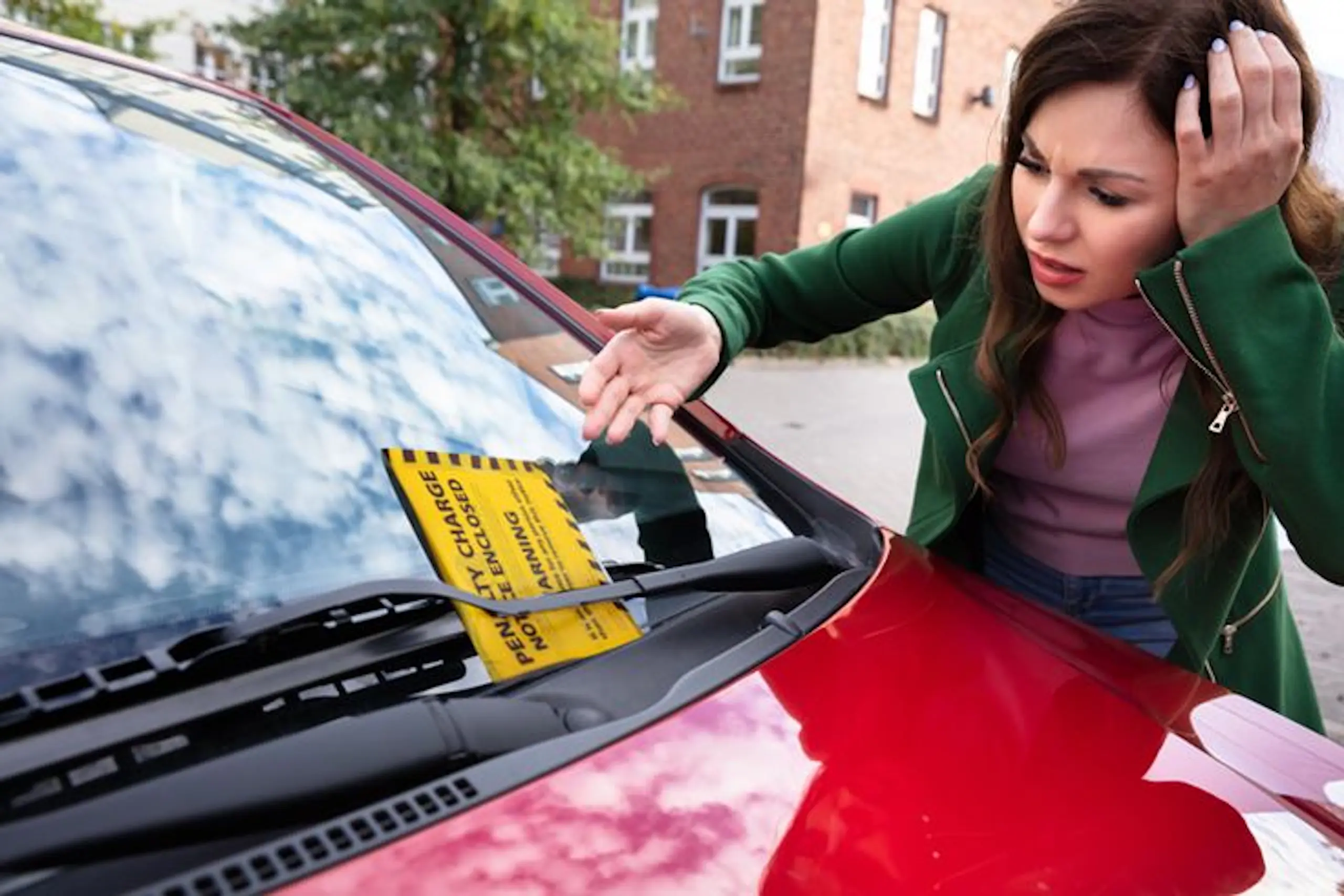
Drivers often make the same mistakes after receiving a parking ticket.
Try to avoid these:
- paying before checking whether the notice is correct
- ignoring the ticket
- missing the appeal or payment deadline
- throwing away the envelope or paperwork
- failing to take photos
- assuming private and council tickets work the same way
A simple action plan to follow
If you are not sure what to do next when you get a parking ticket, use this order:
- Read the notice carefully
- Check who issued it
- Confirm the deadline
- Gather your evidence
- Decide whether to pay or challenge
- Use the correct official route for that type of ticket
This gives you a much clearer footing, especially if you feel overwhelmed at first.
Final takeaway
If you get a parking ticket in the UK, the best first step is to slow down and check the notice properly before taking action.
Make sure you understand who issued it, what kind of parking notice it is, whether the details are correct, and what deadline applies. From there, you can make a better decision about whether to pay parking ticket charges promptly or look more closely at whether the notice should be challenged.
And if you are still unsure after checking the basics, Snapmyfine can help you make sense of the situation in a clear, practical way. It will help you keep track of deadlines, understand your options, and take the next step with more confidence.
Claim your early access spot and further use it as a practical starting point when we launch. The goal is to help drivers understand their options and take the next step with more confidence and less stress.
FAQs
How long does a parking ticket take to come through?
It depends on how it was issued. A ticket placed on your windscreen is immediate. If it’s sent by post, it can arrive days or weeks later, especially if cameras or ANPR were used. Always check the issue date, parking date, and payment or appeal deadline.
How long after parking ticket expires?
If your paid parking time expires, councils in England usually allow a 10-minute grace period in permitted parking bays. After that, you can be issued a ticket. This does not apply to illegal parking, yellow lines, suspended bays, or no-ticket situations.
What is a fixed penalty notice?
A Fixed Penalty Notice, or FPN, is an official fine for certain parking, traffic, or motoring offences. It may be issued by the police, council, or DVSA. Paying it usually settles the matter, but ignoring it can lead to further action.
Do you have to pay parking fines?
You must either pay or challenge the ticket. If it’s valid, paying early may reduce the cost. If it looks wrong or unfair, appeal before the deadline. Do not ignore it, as the charge can increase and enforcement may follow.
What are parking ticket rules?
Parking ticket rules depend on the type of notice and who issued it. Check the issuer, reason, location, time, amount, and deadline. If the details are wrong or the signs were unclear, gather evidence and appeal through the official process.
What are parking ticket rules UK?
In the UK, parking rules vary between council tickets, Fixed Penalty Notices, and private parking charges. Each has different payment and appeal steps. The key rule is simple: identify the ticket type first, then act before the deadline.
