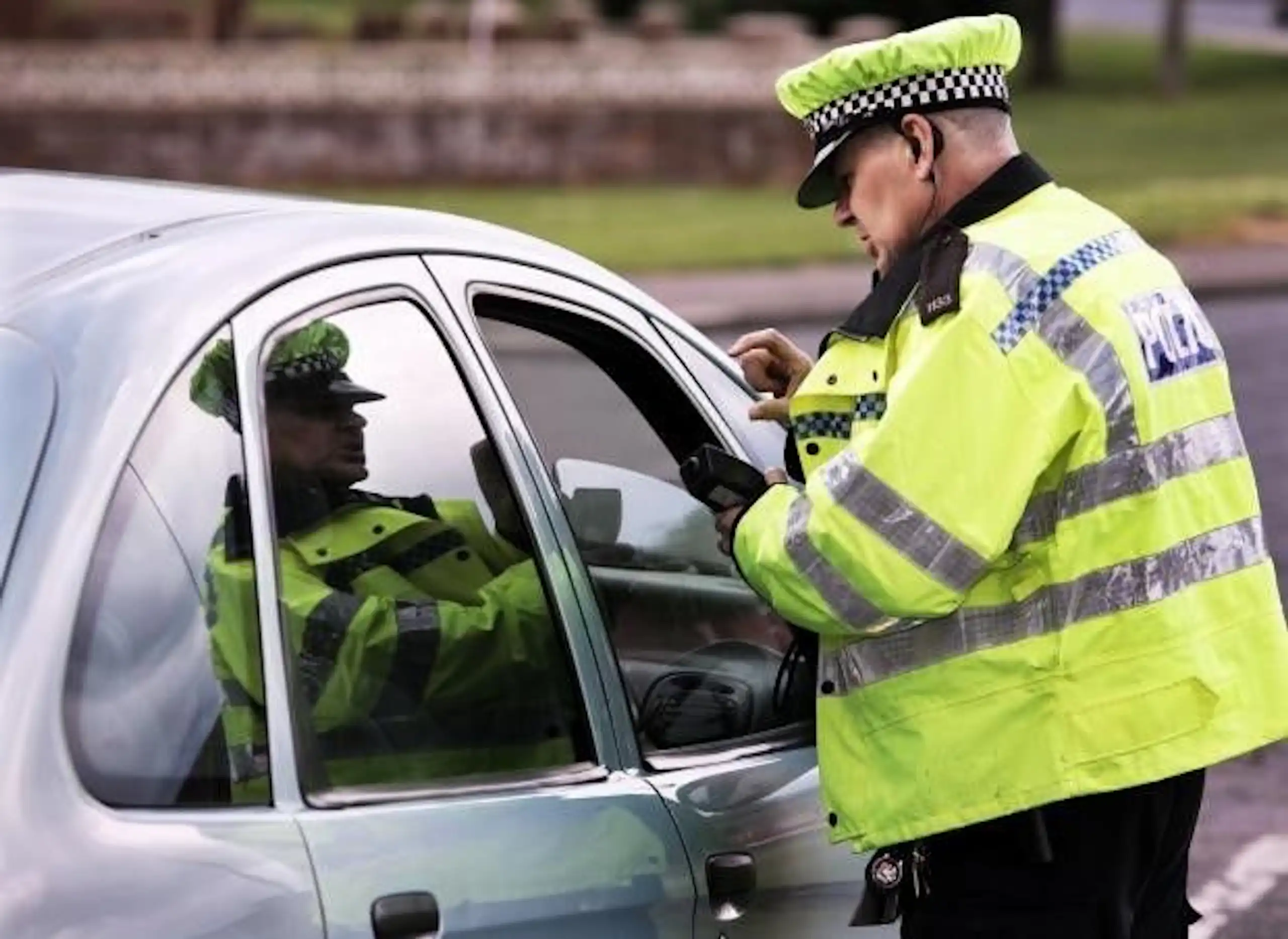
A council parking fine is usually called a Penalty Charge Notice, or PCN. It is different from a private Parking Charge Notice, even though both are often called “parking tickets” by drivers.
The biggest mistake drivers make is treating every ticket the same.
A penalty charge notice normally comes from a local council or public authority. A parking charge notice usually comes from a private parking company, such as one managing a supermarket, hospital, retail park, or private car park.
What is a council parking fine?
A council parking fine is usually issued when a council believes a vehicle has broken parking or traffic rules.
Common reasons include:
- parking on yellow lines
- overstaying in a paid bay
- not displaying a valid permit
- parking in a resident-only zone
- stopping in a restricted area
- parking outside marked bay lines
- entering or stopping in certain controlled zones
The important point is this: a council PCN is not just a reminder. It has deadlines, appeal stages, and possible escalation if left unresolved.

What drivers usually get wrong
1. They confuse a penalty charge notice with a parking charge notice
This is the most common mistake.
A penalty charge notice is usually from a council or public body. A parking charge notice is usually from a private company.
They sound almost identical, but the rules are not the same.
A private parking charge notice is not the same as a council fine, although a parking company may still pursue payment through the courts. Which? notes that a private parking ticket is often labelled as a Parking Charge Notice and is not imposed in the same way as a council penalty.
So when people search for “council parking charge” or “parking violation tickets,” they may actually be dealing with different legal processes.
Action: Look at the issuer’s name and logo before doing anything else.
2. They pay too quickly without checking the details
Paying can feel like the easiest way to make the problem go away. Sometimes that is sensible, especially if the ticket is clearly correct and the discounted amount is affordable.
But if something looks wrong, check first.
Look at:
- your vehicle registration
- the date and time
- the location
- the contravention code or reason
- the photos or evidence
- the signs and road markings
- whether you had a permit, ticket, app payment, or blue badge
Action: If you want to challenge it, do not pay first unless the issuer’s rules clearly say otherwise.
3. They ignore the PCN because they think it will disappear
Ignoring a council penalty charge notice is rarely a good idea.
The Traffic Penalty Tribunal warns that a PCN should not be ignored because the penalty can increase and may eventually be registered as a debt, with enforcement action possible.
Even if you believe the fine is unfair, you need to respond through the correct process.
Action: Put the deadline in your calendar immediately. If you're too busy, Snapmyfine can do it for you.
Can you challenge a council parking fine?
Yes. You can challenge a council parking fine if you believe it was issued incorrectly or there are strong mitigating circumstances.
GOV.UK provides a service to challenge a penalty charge notice with the local council that issued it.
You may have grounds to appeal if:
- the signs were missing, unclear, or damaged
- the road markings were faded or confusing
- the payment machine was not working
- the parking app failed and you have proof
- you paid for parking but entered one digit incorrectly
- the ticket was issued too early
- you were loading or unloading where allowed
- your vehicle was not there at the time
- the council made an error on the notice
- there was an emergency
Keep your explanation simple and factual. Councils are more likely to review clear evidence than emotional complaints.
What evidence should you collect?
Good evidence can make a big difference.
Collect:
- photos of signs near the vehicle
- photos of road markings
- screenshots of parking app payments
- payment receipts
- permit evidence
- blue badge evidence, if relevant
- dashcam footage, if useful
- witness statements, where appropriate
- images showing a broken meter or unclear signage
- correspondence with the council
When writing your challenge, explain:
- what happened
- why the PCN should be cancelled
- what evidence you are attaching
- what outcome you want
Keep it calm. Avoid long rants. A short, structured appeal is usually stronger.
What happens if your first challenge is rejected?
A rejection does not always mean the matter is over.
Many council PCNs have stages. Depending on the type of notice and where it was issued, you may be able to:
- make an informal challenge
- make formal representations
- appeal to an independent tribunal
For England outside London and Wales, the Traffic Penalty Tribunal explains the process for parking PCNs issued by local authorities.
Check the council’s rejection letter carefully. It should explain your next step and deadline.
Action: Do not miss the next deadline just because the first appeal failed.
What about scam parking fine texts?
Another thing drivers get wrong is trusting every message that says “PCN.”
GOV.UK warns that if you receive a text message from the Department for Transport telling you to pay an unpaid parking fine, it is a scam; the DfT does not issue parking fines.
Be careful with:
- urgent payment links
- poor spelling
- threats about license suspension
- texts asking for bank details
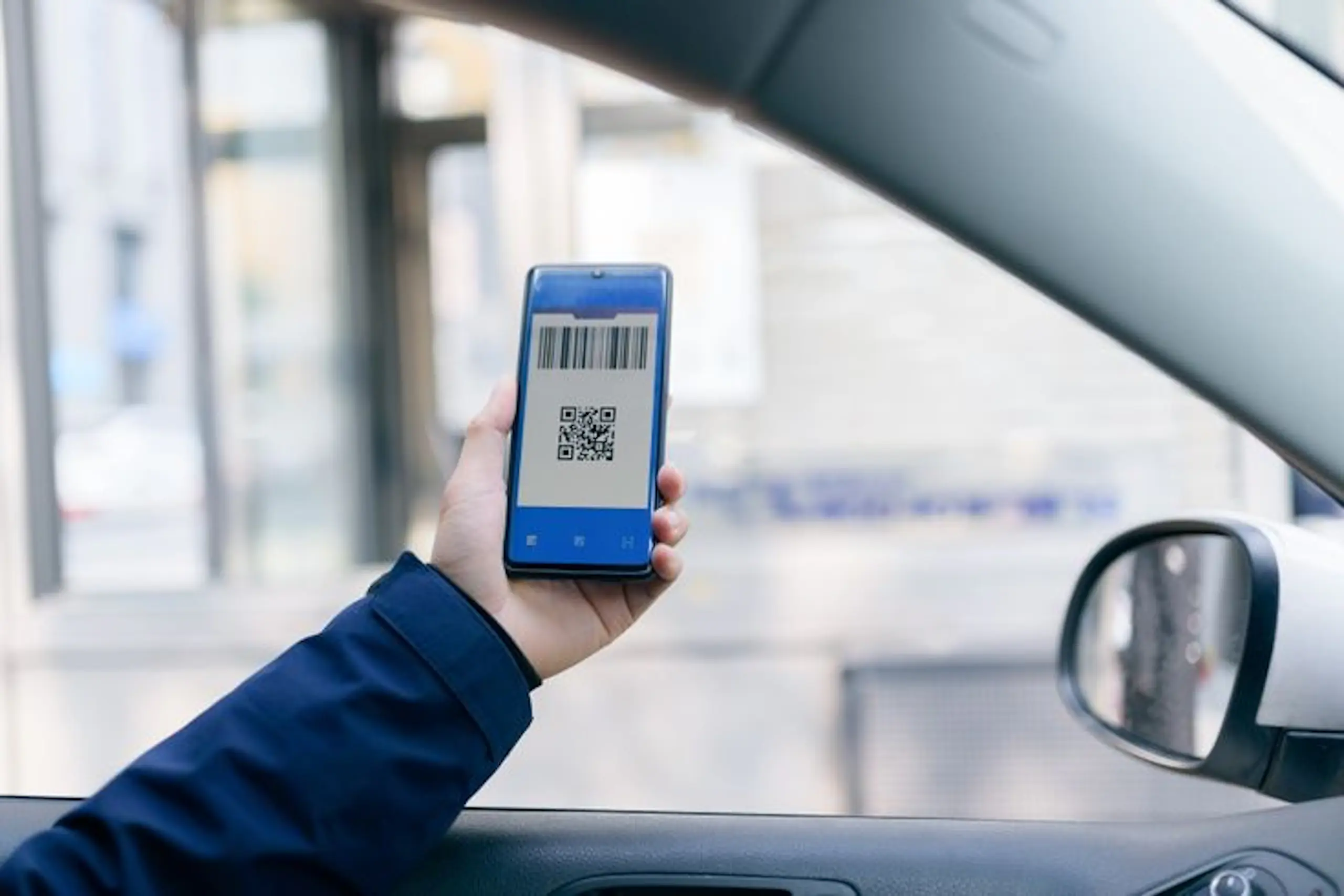
- QR codes on suspicious signs
- websites that do not match the council’s official site
Action: Go directly to the council’s official website instead of clicking links in unexpected messages.
Should you pay or appeal?
Here is a simple way to decide.
Consider paying if:
- the ticket details are correct
- signs and markings were clear
- you have no useful evidence
- the discount is still available
- you accept the mistake.
Consider appealing if:
- the council made an error
- the signage was unclear
- you paid but the system failed
- the contravention did not happen
- there were valid mitigating circumstances
- you have strong supporting evidence
The best decision is not always “fight everything” or “pay everything.” The best decision is the one based on the facts. Make use of this appeal template that council won't reject.
Final takeaway
Most drivers do not get into trouble because they parked badly. They get into trouble because they misunderstand the notice, miss the deadline, pay before checking, or ignore it completely.
Remember:
- A council fine is usually a penalty charge notice
- A private ticket is usually a parking charge notice
- Do not ignore either
- Check the issuer, evidence, and deadline
- Appeal with facts, not frustration
- Use trusted guidance and practical support when unsure
A parking fine is frustrating, but it is manageable. Take it step by step, keep records, and make your decision based on evidence.
Got a parking fine? Don’t guess — Snapmyfine it. Upload your notice, understand what it means, and get clear guidance on whether to pay, challenge, or take the next step with confidence.
